Live demo
Wildlight
My role
Design · Engineering · Client delivery
Why I built it
Real estate sellers and Airbnb hosts were stuck with template listing pages that look like everyone else's—photo grids, bullet amenities, and a booking button. Guests never feel the place before they arrive. I built a different kind of property site: a continuous cinematic walkthrough where scrolling flies you through each stay.
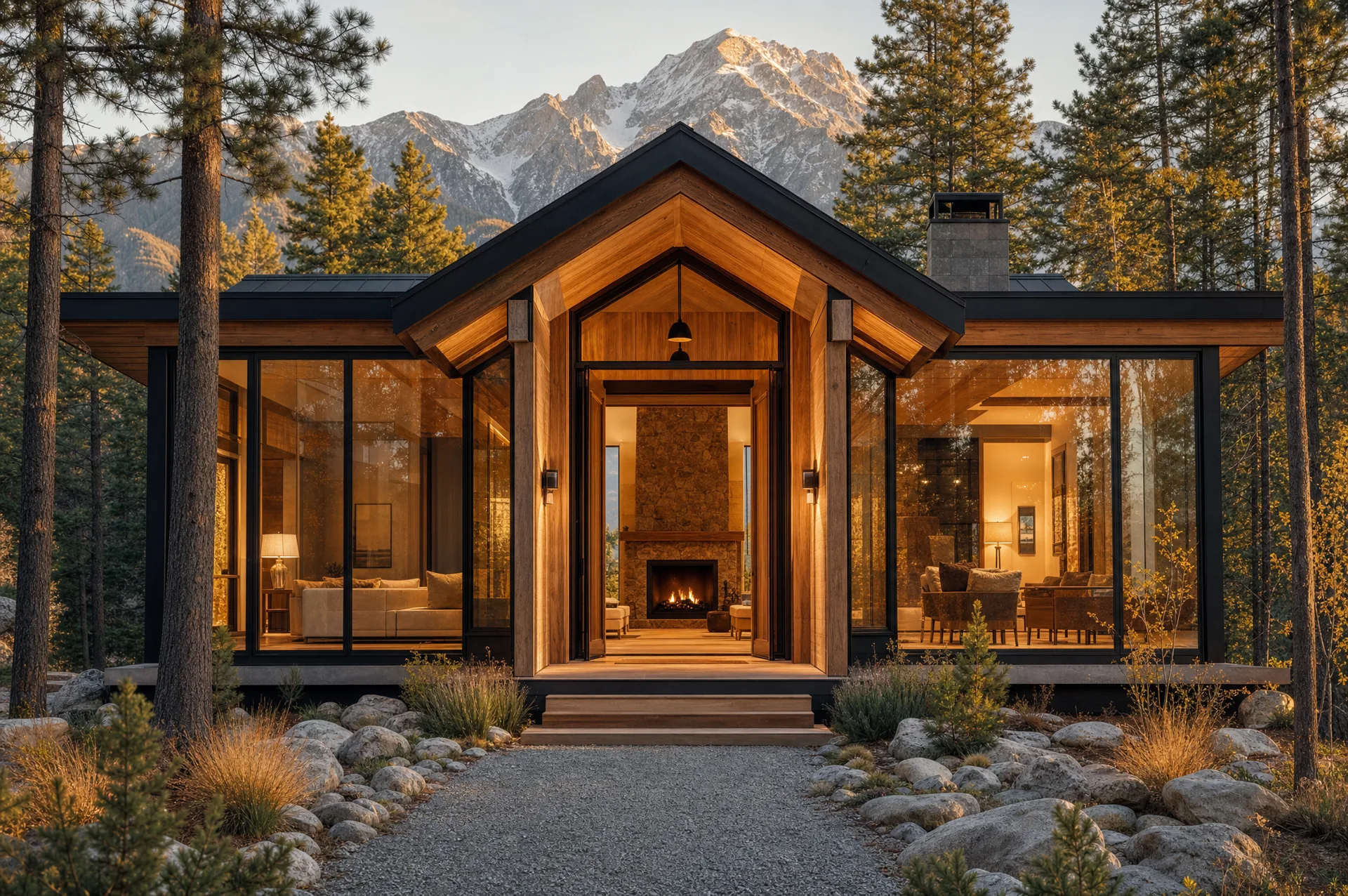
Wildlight is the live example of that product. Alpine cabin, ocean villa, treehouse, desert retreat, city loft—each chapter is video scrubbed to the scroll, with still fallbacks and mobile-tuned clips so the experience holds on phones. Owners get a brand-first site; visitors get a story they want to book.
Why it works
Scroll as the tour
A custom scrub engine ties vertical scroll to video playback, so the guest moves through the property instead of clicking a gallery.
Built for owners, not templates
Each site is wired to the property's story—eyebrow, title, body, tags, accents—so Alpine hush and oceanfront light never share the same layout language.
Mobile-first media
Desktop and phone each get their own clips and scroll distance, keeping the fly-through smooth when bandwidth and screens change.
Inquiry over browse
The journey ends on a clear CTA—request a stay—so the cinematic path converts into a conversation with the owner.
→ Alpine · Coast · Canopy · Desert · City
Scroll to fly through · Video scrub · Inquire
→ Property websites that feel like the stay
5 stays
one continuous fly-through
Scroll-scrub
video tied to the page
Owner-ready
built to drive inquiries